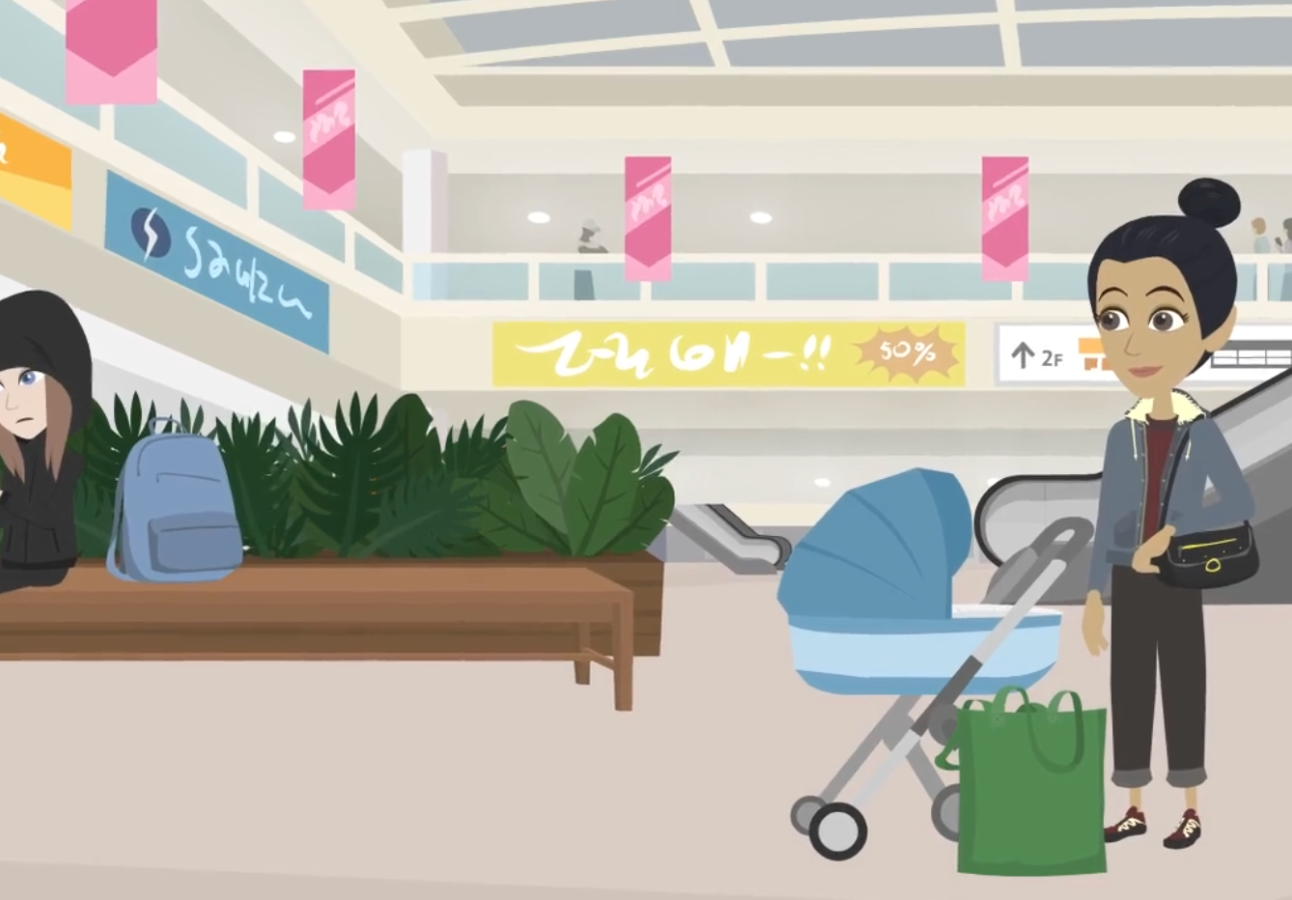
It reflects lived experiences of:
- Feeling guilt and shame
- Questioning decisions and outcomes
- Navigating uncertainty during referral and assessment
The animation emphasises the importance of ensuring survivors are:
- Seen, heard, and believed
- Empowered to regain control of their lives
- Supported to move from victim to survivor
- Safer as a result of MARAC involvement
- Part of a process that holds perpetrators to account
It also outlines practical ways to improve the MARAC experience for survivors, including:
- Clearly explaining what will happen and why at the point of referral
- Providing transparent information about the MARAC process and attendees
- Giving survivors time and space to consider their priorities
- Communicating outcomes and next steps after the meeting
- Creating opportunities for survivor feedback through MARAC steering groups
How to use the animation
The animation can be used across a variety of settings to embed survivor voice into system and service design in a sustainable, high-quality, and trauma-informed way, including:
- Professional training sessions
- Conferences and presentations
- Awareness-raising and campaigns
- Reflective practice and team discussions